For travelers searching for meaningful Catholic pilgrimage destinations in Europe, the Pannonhalma Archabbey in Hungary offers a unique combination of spiritual depth, Christian history, Benedictine hospitality, and cultural heritage. Often overlooked in favor of more famous pilgrimage sites such as Rome, Assisi, or Santiago de Compostela, Pannonhalma is one of the oldest continuously operating monasteries in the world and one of the most inspiring places to visit in Central Europe.
Located just 90 minutes from Budapest and close to Vienna, the Benedictine Archabbey of Pannonhalma is an ideal addition to any Catholic pilgrimage tour of Hungary, Austria, and Central Europe.
Why Visit Pannonhalma Archabbey?
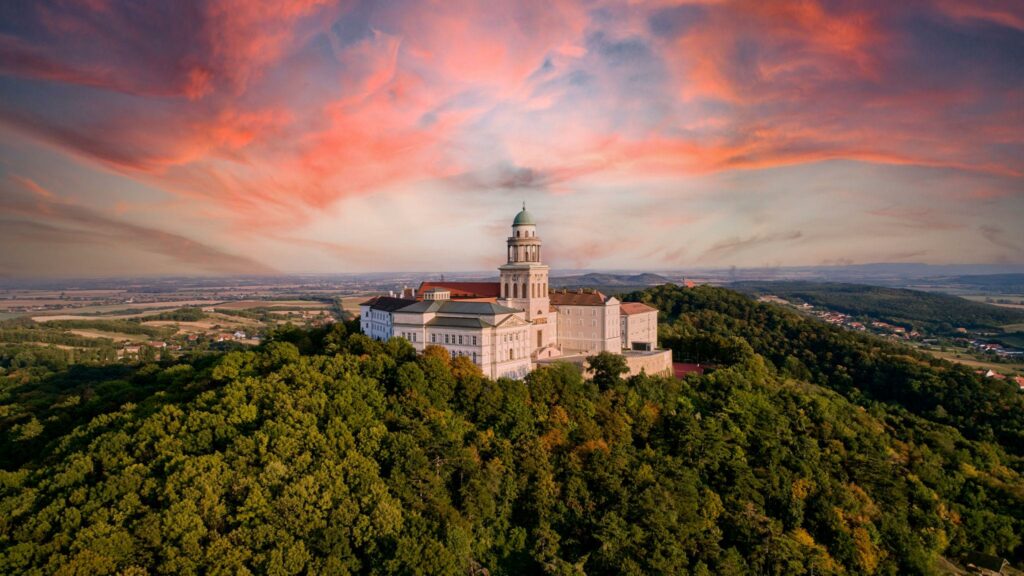
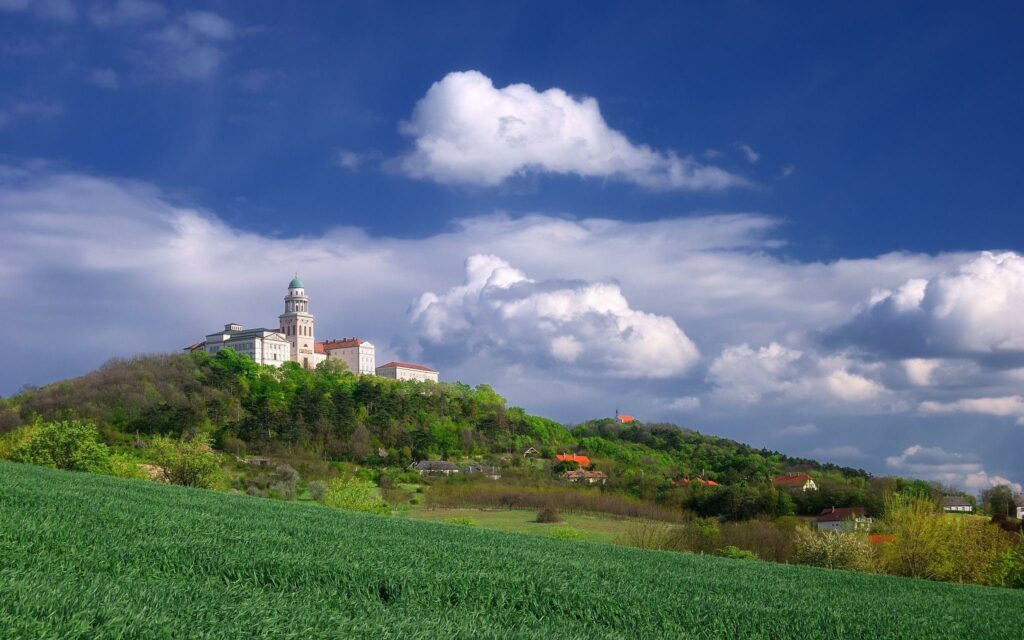
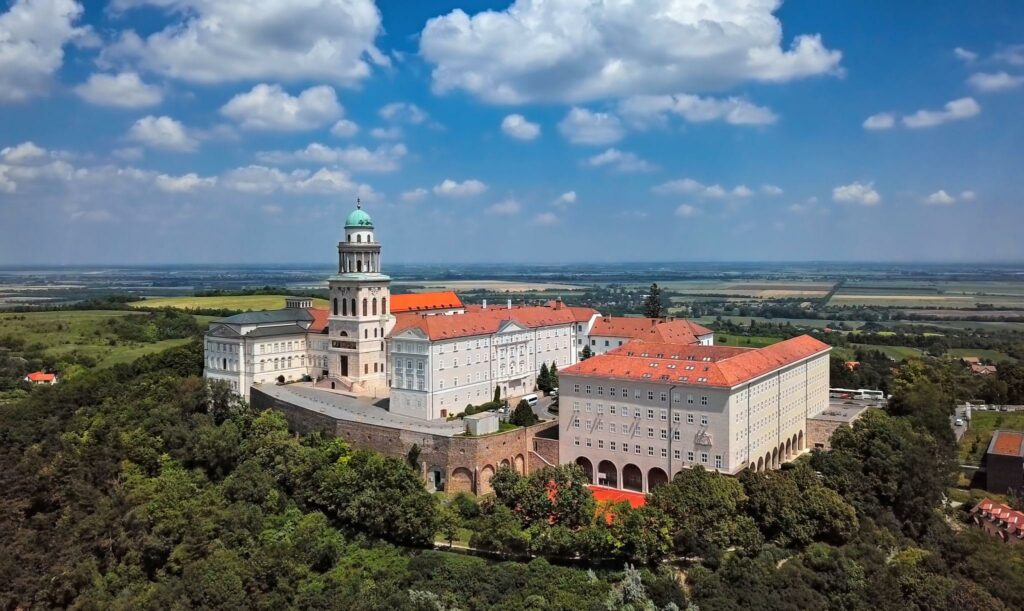
Founded in 996 AD, the Pannonhalma Archabbey has stood on St. Martin’s Hill for more than a thousand years. Designated a UNESCO World Heritage Site, the abbey is not simply a historic monument—it is a living monastery where Benedictine monks continue their daily rhythm of prayer, work, study, and hospitality.
For pilgrims, Pannonhalma offers something increasingly rare: an authentic encounter with monastic life. Visitors can experience the spiritual traditions that have shaped Christian Europe for centuries while enjoying the peaceful beauty of the Hungarian countryside.
Whether you are planning a Catholic pilgrimage to Hungary, a faith-based tour of Central Europe, or a spiritual retreat in Europe, Pannonhalma provides an unforgettable experience.
Discover the Heart of Benedictine Spirituality
The monks of Pannonhalma follow the Rule of St. Benedict, one of the most influential spiritual traditions in Western Christianity. Benedictine spirituality emphasizes prayer, community, humility, hospitality, and the search for God in everyday life.
The famous Benedictine motto Ora et Labora—“Pray and Work”—can still be seen in action throughout the monastery. Daily liturgical prayer, sacred music, study, and service remain at the center of monastic life.
One of the most attractive aspects of a visit to Pannonhalma is the Benedictine tradition of welcoming guests. St. Benedict taught that every guest should be received as Christ himself, and this spirit of hospitality continues to define the abbey today.
For many American pilgrims, visiting Pannonhalma offers a refreshing alternative to crowded tourist attractions, providing a place of silence, reflection, and spiritual renewal.
The Library Rescue: Saving a Thousand Years of Christian Heritage
In recent years, Pannonhalma Archabbey attracted international attention because of an extraordinary effort to protect one of Europe’s most important monastic libraries.
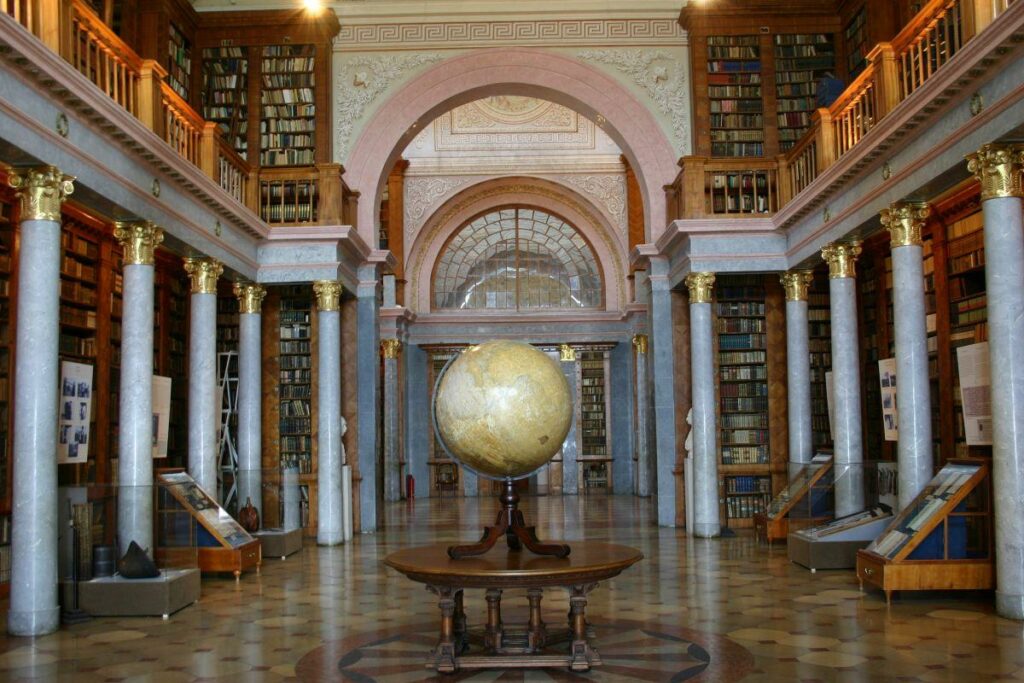
The abbey’s library contains approximately 400,000 volumes, including medieval manuscripts, rare books, early printed works, and priceless documents connected to the history of Christianity and Hungary. It is one of the most significant religious libraries in Central Europe.
In 2025, conservators discovered that thousands of historic books were threatened by an infestation of insects that feed on the organic materials used in traditional book bindings. Faced with the potential loss of irreplaceable treasures, the abbey launched a large-scale preservation project.
More than 100,000 books were carefully removed, treated, inspected, and preserved using advanced conservation techniques. The operation became an inspiring example of the Benedictine commitment to safeguarding faith, culture, and knowledge for future generations.
For visitors, this story brings the monastery’s mission vividly into the present. Pannonhalma is not merely preserving history—it is actively protecting and transmitting Christian civilization.

What Can Pilgrims Do at Pannonhalma?
A visit to Pannonhalma Archabbey offers a rich combination of faith, culture, history, and natural beauty.
Attend Prayer with the Benedictine Monks
Pilgrims can participate in liturgical celebrations and experience the rhythm of Benedictine prayer that has continued uninterrupted for over a millennium.
Visit the Basilica
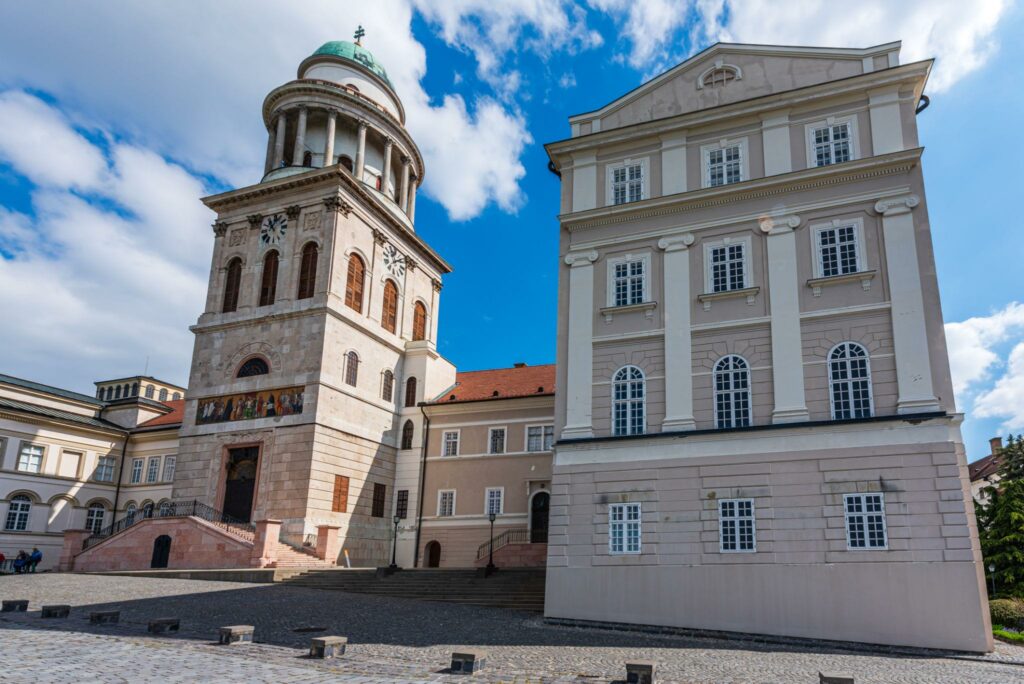
The abbey church is one of Hungary’s most important sacred sites. Its architecture reflects centuries of Christian faith and artistic development.
Explore the Historic Library
When accessible, visitors can admire one of the most beautiful monastic libraries in Europe and learn about ongoing preservation efforts.
Walk Through the Cloister
The medieval cloister provides a peaceful setting for prayer, meditation, and reflection.
Discover a UNESCO World Heritage Site
Pannonhalma combines Romanesque, Gothic, Renaissance, and modern architectural elements, making it one of Hungary’s most important cultural landmarks.
Enjoy the Abbey’s Gardens and Vineyards
The surrounding landscape offers scenic walking routes, panoramic views, herbal gardens, vineyards, and opportunities for contemplation.
Experience Hungarian Christian Heritage
Pilgrims gain a deeper understanding of Hungary’s Christian roots and the role Benedictine monks played in the country’s spiritual and cultural development.
An Ideal Destination for Catholic Pilgrimage Tours
For Catholic tour operators, parish groups, educational travel programs, and individual pilgrims, Pannonhalma Archabbey is one of the most rewarding spiritual destinations in Central Europe.
Its location makes it easy to combine with visits to Budapest, Vienna, Bratislava, Marian shrines, and other Christian heritage sites throughout the region. Yet what makes Pannonhalma truly special is its atmosphere—a living monastery where faith is not merely remembered but actively practiced every day.
Experience the Living Benedictine Tradition
In a world often dominated by noise, speed, and distraction, Pannonhalma offers something profoundly different. Here, visitors encounter over a thousand years of continuous prayer, learning, and hospitality.
For those seeking a meaningful Catholic pilgrimage in Europe, a spiritual retreat in Hungary, or an authentic encounter with Benedictine monastic life, Pannonhalma Archabbey remains one of Europe’s best-kept treasures.
A visit is not simply a journey into history—it is an invitation to discover the enduring wisdom of the Benedictine tradition and to experience a place where faith, culture, and hospitality continue to flourish after more than one thousand years.